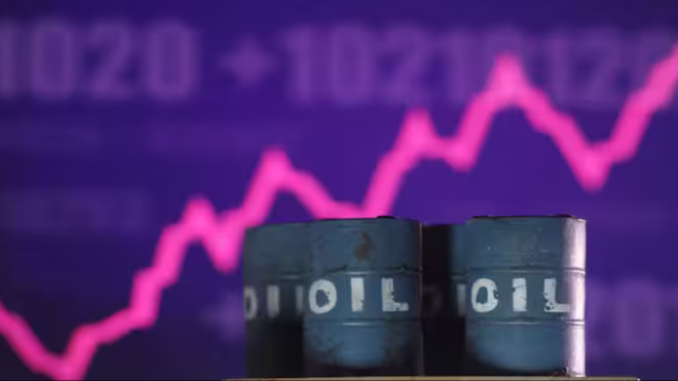
NewDelhi/Iran: The ongoing US-Iran conflict and tensions in West Asia have begun to show an impact on India’s energy sector. Disruptions in international oil supply routes, especially uncertainties over the Hormuz Strait, have pushed energy markets into a volatile phase. While crude oil prices have climbed steeply, Indian fuel prices have largely not changed. It is creating a heavy financial pressure on domestic oil companies.
Country’s three major public sector oil companies (the Indian Oil Corporation, the Bharat Petroleum Corporation and the Hindustan Petroleum Corporation) are presently selling petrol and diesel at old retail rates despite rising international prices.
According to reports, this difference between international and domestic pricing has led to daily losses of around Rs 1,600-1,700 crore. Over the last 10 weeks, total under-recovery is estimated to have crossed Rs 1 lakh crore. These losses are being absorbed while fuel supply continues uninterrupted across the country.
Govt steps to manage supply and prices
The impact of the conflict has also been felt across India’s energy imports. Nearly 40% of crude oil imports, 90% of LPG imports and 65% of LNG imports have been affected due to international disruptions. Even then, fuel supply has been maintained without major interruptions.
To manage the situation, the government increased domestic LPG production from 36,000 tonnes per day to 54,000 tonnes per day within days of the crisis. At the same time, excise duty on petrol and diesel was reduced to soften the effect of rising international prices on consumers.
While there was a revision in LPG prices, petrol and diesel rates in India have so far been unchanged. Petrol continues to be priced at Rs 94.77 per litre and diesel at Rs 87.67 per litre, even as crude oil prices have surged by nearly 50% since the beginning of the conflict.
Rising international prices, stable domestic fuel rates
The unchanged retail fuel prices in India stand in contrast to several other countries, where petrol and diesel prices have moved upward during the same period. Even countries such as Pakistan and the United Kingdom have seen noticeable increases in fuel prices because of disruptions in international oil movements.
India’s pricing approach has meant continued availability of fuel at stable rates for consumers, but it has also placed oil marketing companies under sustained financial pressure.
Is a price hike unavoidable?
Industry sources suggest that if high crude oil prices continue for a longer period, oil companies may face deeper stress and could eventually require additional funding support. Reports suggest that these companies are operating under tight financial conditions due to ongoing under-recoveries.
At the same time, any decision on fuel price revision now rests with the government as pricing has become a sensitive policy matter. Sources suggest that a fuel price revision may become necessary, but the timing and extent of any change will depend on policy decisions.
Reports also warn that petrol and diesel prices in India could see an increase before May 15, depending on international oil trends and domestic policy choices.
Leave a Reply