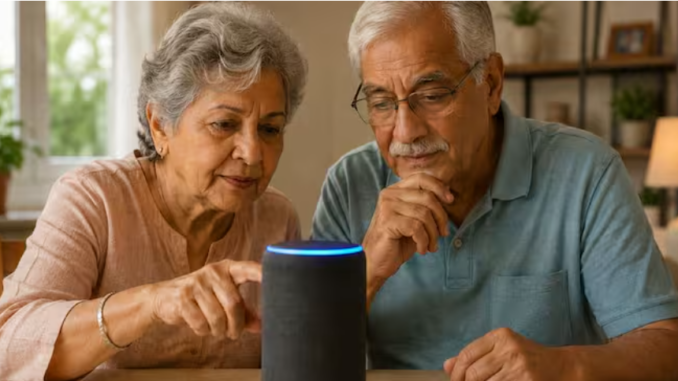
NewDelhi: Senior citizen tech guide: AI assistants are now part of daily life for millions of senior citizens in India and around the world in 2026. From setting medicine reminders to making video calls and checking bank balances, tools like Amazon’s Alexa, Apple’s Siri, Google Assistant, and AI chatbots are helping older users in their day-to-day tasks. But cybersecurity experts are also warning that AI scams targeting seniors are rising fast, making digital safety more important than ever.
Here is what every senior citizen and their family need to know right now:
Why senior citizens are using AI assistants
Many older users now depend on AI assistants for simple daily tasks. Smart speakers, phones, and TVs can answer questions, read news updates, help with online shopping, and even assist during emergencies. Recent reports show voice assistant usage among adults above 50 has increased sharply in recent years because setup has become easier and most features are free.
Still, experts say convenience should not come at the cost of privacy.
Senior citizen tech guide: Start with safe settings
The first step is choosing strong account protection. Experts recommend using long passwords and enabling two-factor authentication wherever possible. This adds an extra security layer if someone steals login details.
Senior users should also check microphone permissions carefully. AI assistants often stay ready to listen for commands, which means they may accidentally record conversations. The US Federal Trade Commission advises users to review privacy settings regularly and delete old voice recordings from time to time.
Another smart habit is limiting what the AI assistant can access. Avoid linking banking apps, payment wallets, or sensitive email accounts unless absolutely necessary.
How to spot AI scams in 2026
Cybercrime groups are now using AI-generated voices and fake video calls to target older people. In some cases, scammers clone the voice of a family member and create fake emergency calls asking for money.
This is the one simple rule every senior citizen should follow: never trust urgent calls immediately. Hang up and call the person back using a saved number. Families are also creating private “safe words” that only relatives know to verify real emergencies.
Users should also avoid clicking unknown links sent through SMS, WhatsApp, or email, even if the message appears official.
Digital safety
Keeping phones updated, avoiding public USB charging stations, and checking app permissions monthly can reduce risks significantly. Experts also advise seniors to ask a family member before sharing personal or banking information online.
AI assistants can make life easier for senior citizens in 2026, but safe usage matters a lot in today’s world. A few simple habits, such as strong passwords, scam awareness, and careful privacy settings, can help older users enjoy AI technology without putting their money or personal data at risk.
Leave a Reply