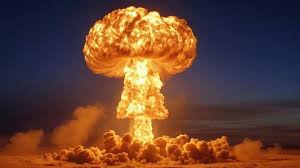
Major Factors: According to the American Red Cross, a nonprofit humanitarian organization that provides emergency assistance, disaster relief, and disaster preparedness education in America, Distance, shielding, and time are the three major factors that are vital for protecting yourself from nuclear fallout and radiation.
Distance: The farther away you are from the fallout particles, the safer you’ll be. Going underground, like in a basement at home or an office building, gives you more safety than staying on the ground floor of a building.
Shielding: The thicker and heavier things, like thick walls, concrete, and bricks, are between you and fallout particles; the better protection you have.
Time: The harmful radiation from fallout gets weaker after some time. The biggest danger from fallout is in the first two weeks. After two weeks, the radiation level will drop to about only 1% of what it was at the time of the attack.
The National Disaster Management Authority of the Government of India also highlights the dos and don’ts in case of a nuclear emergency.
Nuclear: Do’s (As per NDMA)
1. Go indoors. Stay inside.
2 Switch on the radio/television and look out for public announcements from your local authority.
3. Close doors/windows.
4. Cover all food, water, and consume only such covered items.
5. If in the open, cover your face and body with a wet handkerchief, towel, dhoti, or sari. Return home, change/remove clothes. Have a complete wash and use fresh clothing.
6. Extend full cooperation to local authorities and obey their instructions completely — be it for taking medication, evacuation, etc.
7. You must be aware of the nuclear radiation hazard. Discuss Nuclear radiation safety among children and family members to reduce their fear of radiation.
Nuclear: Don’ts (As per NDMA)
1. Do not panic.
2. Do not believe in rumours passed on by word of mouth from one person to another.
3. Do not stay outside/or go outside.
4. As far as possible, AVOID water from open wells/ponds; exposed crops and vegetables; food, water, or milk from outside.
5. Do not disobey any instruction of the district or civil defence authorities, who would be doing their best to ensure the safety of you, your family, and your property.
Bureau Report
Leave a Reply