The ongoing war in West Asia, which started off as a triangular conflict between Iran, Israel, and the United States on February 28 after US and Israel launched a ‘pre-emptive’ strike after rounds of failed negotiation talks to neutralize Iran’s nuclear program, missile capabilities, and aim for regime change, by targeting sites like Natanz, Fordow, and leadership compounds.
Iran hit back with strikes across the region, targeting Saudi Arabia, UAE, Qatar, Bahrain, Jordan, Oman, Kuwait, and Israel.
Iran claimed these focused on US bases and Gulf facilities aiding attacks on it, but the barrages quickly spread chaos.
What began as retaliation soon hit major chokepoints, driving up global oil prices through Strait of Hormuz disruptions and assaults on oil facilities and refineries.
From oil to water: Change of targets
However, oil shaped the Gulf, desalinated water sustains it, and the shift in the strikes can threaten the survival of the Gulf region.
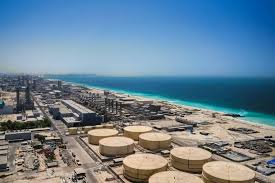
Reports indicate attacks damaged the UAE’s Fujairah F-1 water and power complex and Kuwait’s Doha West desalination plant. Bahrain reported a water plant hit by drone strikes, while Iran claims a US strike damaged a Qeshm Island facility near the Strait of Hormuz, cutting supply to 30 villages.
Today, desalinated water from seawater keeps these arid nations alive by supplying most of their drinking and daily needs.
The strategic targeting of these plants, which is vital for 90% of Gulf drinking water, has emerged as a prime strategic asset in this asymmetric phase.
Targeting desalination plants marks a shift to asymmetric tactics that pressure Gulf states without sparking all-out wars. As per reports, 56 plants supply over 90% of desalinated water, heightening their role in conflicts that mix oil disruptions with water shortages.
The desalination plants, which are the lifeline of these coastal, energy-dependent sites, offer high-impact disruption, far quicker than oil hits, forcing potential city evacuations in water-scarce deserts. Without desalination plants, major cities like Dubai, Kuwait City, Doha, and Manama couldn’t support their populations.
Experts warn that worsening conflict could hit water supplies harder than oil. Gulf nations depend on coastal desalination plants to turn seawater into drinking water, leaving them exposed to missile and drone strikes, making it more disastrous.
Bureau Report
Leave a Reply