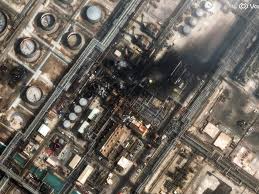
The Israel-US strikes on Iran, which started on February 28, entered day 10th with no signs of de-escalation, and the tensions have drastically escalated, engulfing the whole of West Asia.
Apart from the ongoing war, the highlight of the whole situation is the Israel-US ties. The coordinated strikes on Iran, and the visible close personal ties between US President Donald Trump and Israeli Prime Minister Benjamin Netanyahu.
The US has on multiple occasions praised Israel’s military capabilities in weakening the Iranian regime, expressing appreciation for its efforts.
But the recent Israeli fuel depot strikes have dismayed Washington. U.S. Senator Lindsey Graham expressed his concerns about Jerusalem targeting Tehran’s oil economy.
Gramham voiced his concern to spare the oil economy that aligns with regime-change goals without crippling future Iranian recovery, bridging praise for coordination with strategic restraint amid day-10 escalation.
Sharing an Axios report in an X post, Lindsey Graham said, “Our allies in Israel have shown amazing capability when it comes to collapsing the murderous regime in Iran. America is most appreciative. However, there will be a day soon that the Iranian people will be in charge of their own fate, not the murderous ayatollah’s regime.”
“In that regard, please be cautious about what targets you select. Our goal is to liberate the Iranian people in a fashion that does not cripple their chance to start a new and better life when this regime collapses. The oil economy of Iran will be essential to that endeavor,” added Graham.
But why does a U.S senator want Israel to choose its targets carefully and avoid targeting the oil economy of Iran?
The US opposes Israel targeting Iran’s oil economy to prevent global energy crises and support a stable post-regime future in Iran.
Strikes on fuel depots, like the 30 facilities hit in Tehran, risk long-term disruptions that spike oil prices and harm US interests.
According to the Axios report, Israel’s strikes on 30 Tehran fuel depots surprised the US, as they hit infrastructure serving ordinary Iranians. Graham echoed this by warning that such targets could rally civilians behind the “murderous ayatollah’s regime” instead of against it, undermining liberation goals.
US officials fear burning depots will spook oil markets, driving prices higher amid already elevated Brent crude levels, as per Axios.
Reportedly, Iran produces over 3 million barrels of oil daily as the Organization of the Petroleum Exporting Countries’ (OPEC) fourth-largest producer, and its facilities feed into the Strait of Hormuz, carrying 20% of world oil.
Attacks have already caused oil benchmarks to surge 7% to $83 per barrel for Brent, with fears of $120-$150 if prolonged.
The US dreads this triggering shortages, as seen with halted Iraqi exports, Qatar LNG stoppages, and Saudi refinery shutdowns, further tightning markets.
A Trump adviser told Axios the president wants to “save the oil” to avoid reminding Americans of past high gas prices, aligning with Graham’s view that Iran’s oil sector is vital for future rebuilding.
Earlier today, US President Donald Trump acknowledged the global oil price hike but calls them a “very small price to pay” for eliminating Iran’s nuclear threat.
“Short term oil prices, which will drop rapidly when the destruction of the Iranian nuclear threat is over, is a very small price to pay for the U.S.A., and World, Safety and Peace. ONLY FOOLS WOULD THINK DIFFERENTLY,” said Trump in a Truth Social post.
Graham specifically stated Iran’s oil economy will be “essential” for Iranians to start a “new and better life” after regime collapse.
Bureau Report
Leave a Reply