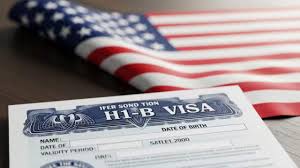
The US Senate is advancing to further restrict use of the H-1B and L-1 employment visa programs, proposing a bipartisan reform bill that, if enacted, would drastically reform foreign hiring methods and most burden Indian professionals.
The legislation, sponsored by Republican Sen. Chuck Grassley and Democratic Sen. Dick Durbin, comes after the Trump administration recently imposed a $100,000 penalty on new H-1B petitions and is considering overhauling the lottery system that benefits high-paid workers.
Emphasis On Fraud And Wage Abuse
The “H-1B and L-1 Visa Reform Act” targets fraud and misuse of the visa program that Congress says replaces American workers.
Senator Durbin assailed big businesses with “laying off thousands of American workers while submitting thousands of visa requests for foreign workers at depressed wages and substandard working conditions.”
The legislation places a number of new restrictions:
Priority for STEM Degrees: The H-1B visa distribution system would give priority to employees with STEM degrees (Science, Technology, Engineering, and Mathematics).
More Rigorous Wage and Recruitment Standards: Employers are subject to stricter wage and recruitment requirements, with more severe penalties for wage abuses.
L-1 Visa Limits: The legislation shuts loopholes in the L-1 visa system—employed by large multinational corporations to bring in current workers to the US—by introducing wage and displacement protections and restricting outplacement of employees.
Why Indian Workers Are Hit Hard
The law, in another action by the administration this year, is likely to disproportionately impact Indian nationals, who now occupy about 71% of all H-1B visa recipients.
Although the fresh lottery overhaul is designed to benefit higher-paid workers, some analysis warns that it would hurt young, lower-level professionals from India and China who often work at lower H-1B pay tiers.
Nicole Gunara, Principal Immigration Lawyer at Manifest Law, said the changes would drive up costs of compliance and H-1B hiring, especially for firms that use contract-based staffing or lower wage bands.
Uncertainty Despite Legislative Push
The action represents the most recent step in the Trump administration’s initiative to institute tougher immigration standards, with Commerce Secretary Howard Lutnick recently stating additional modifications to the H-1B process by February 2026.
Even with the bipartisan backing, immigration attorneys advise that the final effect of the bill is premature to tell. Gunara referred to the past when only some 5% of immigration bills filed before Congress are passed into law, implying a long and unpredictable journey for the proposed changes.
Bureau Report
Leave a Reply