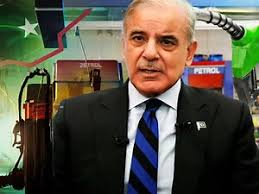
The economic fallouts of the ongoing war in the Middle East have now started to hit Pakistan, and the economic damage has been devastating. The government of Pakistan dropped a ‘petrol bomb’ on its citizens in the wee hours of the night on Friday.
Pakistan’s government has increased the price of fuel by the single largest amount in the history of the country. The citizens are now facing a lot of trouble as people are rushing to get fuel for their vehicles before the new prices are implemented.
Record-breaking price hike
Pakistan’s federal government has increased the price of petrol by a whopping 55 PKR per liter. The new price of petrol and diesel is as follows:
Petrol: 321.17 PKR per liter
High-speed diesel (HSD): 335.86 PKR per liter
This price increase has come just 24 hours after the government assured the citizens that the crude oil reserves in the country were “sufficient.”
The Strait of Hormuz crisis
This price increase is the direct result of the ongoing military conflict between Iran, Israel, and the USA.
Supply chain collapse: With Iran’s blockade of the Strait of Hormuz, nearly 20% of the world’s crude oil supplies are presently at risk.
Import dependency: Pakistan stands in particular danger as it gets almost all of its crude oil from Saudi Arabia and the UAE, with a vast majority of these supplies being transported through the presently blocked Strait of Hormuz.
Rising costs: Due to increasing insurance costs for goods being transported to Asia, as well as increasing crude oil prices in the international market, an emergency meeting was called between Pakistan’s Deputy PM Ishaq Dar, Finance Minister Muhammad Aurangzeb, and Petroleum Minister Ali Pervaiz Malik.
Reports of huge panic in multiple cities of Pakistan as the oil shortage worsens and govt fails to replenish reserves. pic.twitter.com/yIH7Efw2eF — Megh Updates (@MeghUpdates) March 6, 2026
Panic at the pumps and hoarding warnings
As soon as the decision was announced, panic buying was witnessed in cities like Karachi, Lahore, and Islamabad. Due to concerns over rising prices, citizens are flocking to purchase as much fuel as they can, resulting in traffic jams.
A stern warning was issued by Prime Minister Shehbaz Sharif, stating that even though supplies are presently available, they must be utilised judiciously, as the crisis in the Middle East cannot be guaranteed to resolve anytime soon. As a means of coping with these rising fuel prices, it was
Prime Minister Shehbaz Sharif has issued a stern warning against hoarding, stating that although the country has stocks, they must be utilised “judiciously” considering the uncertain situation arising out of the Middle East crisis. To address the fluctuating fuel prices, it has now been announced that domestic fuel prices will be reviewed on a weekly basis rather than fortnightly.
IMF pressure and inflationary fears
According to local media reports, the International Monetary Fund (IMF) has asked the Pakistani government to keep domestic fuel prices at par with international market fluctuations, considering continued financial support for the country.
Economists are warning of an impending “inflationary tsunami.”
Cost of living: The increase is likely to impact transport, food, and electricity costs immediately.
Economic strain: This is likely to push more people into poverty, for an economy already struggling with high debt and stagnant growth.
Bureau Report
Leave a Reply