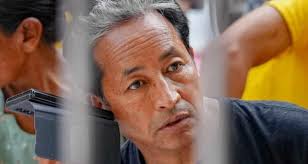
In a major move aimed at de-escalating tensions in Ladakh, the Union Government on Saturday, March 14, announced the immediate revocation of climate activist Sonam Wangchuk’s detention under the National Security Act (NSA).
The Ministry of Home Affairs (MHA) stated that the decision was taken to foster “mutual trust” and facilitate “meaningful dialogue” in the strategically sensitive border region. Wangchuk, who has been held in Rajasthan’s Jodhpur Central Jail since September 26, 2025, has already served nearly half of his maximum detention period.
Revocation cites ‘peace and stability’ in Ladakh
The official statement from the Centre highlighted a shift from enforcement to engagement. The government noted that while the detention was necessary to maintain public order following the violent protests in Leh last year, the ongoing “atmosphere of bandhs” has been detrimental to the local economy and society.
“The government remains committed to fostering an environment of peace, stability, and mutual trust in Ladakh so as to facilitate constructive and meaningful dialogue with all stakeholders,” the MHA statement read.
The legal backdrop: Supreme Court pressure
The revocation comes just three days before a crucial hearing in the Supreme Court, scheduled for March 17. A bench comprising Justices Aravind Kumar and P.B. Varale had recently expressed concerns over Wangchuk’s declining health and discrepancies in the government’s evidence.
The court was set to review video recordings of the speeches that the Centre claimed were “provocative.” During previous hearings, the bench observed that authorities might have been “reading too much” into Wangchuk’s remarks, which his legal team, led by senior advocate Kapil Sibal, argued were actually intended to quell violence.
Flashback: The ‘Black Day’ of Leh protests
Wangchuk’s legal ordeal began following the events of September 24, 2025, which protesters termed a “black day” for Ladakh.
The violence: During a 35-day hunger strike for statehood and Sixth Schedule status, clashes between protesters and security forces left four people dead and over 160 injured.
The charges: The government labeled Wangchuk the “chief provocateur,” alleging he referenced an “Arab Spring-style” uprising.
The detention: He was arrested on September 26, 2025, and transferred to Jodhpur, far from his native Ladakh, under the stringent NSA.
A new path: From agitation to dialogue?
The release marked a potential turning point for the Ladakh movement. Just days ago, Wangchuk’s wife, Gitanjali Angmo, indicated that the activist might pursue a different strategy upon his return.
“Instead of agitation and protests, once he is released, we will look for a solution through dialogue and collaboration,” she stated. Wangchuk himself echoed this on social media, noting that while his commitment to Ladakh is unchanged, the struggle now requires “clarity, unity, and sincere dialogue.”
The government has reiterated that it remains open to resolving the region’s concerns through the High-Powered Committee (HPC) and other constitutional platforms.
Bureau Report
Leave a Reply