NewDelhi: In an effort to curb the declining air quality levels, the Commission for Air Quality Management (CAQM) has announced three key policy reforms that would target motorists, agricultural activities, and the automotive industry. The wide-ranging reforms would impact motor vehicles, farmers, and automotive manufacturers in Delhi and its surrounding districts in Haryana, Uttar Pradesh, and Rajasthan.
‘No PUC, no fuel’ policy across NCR
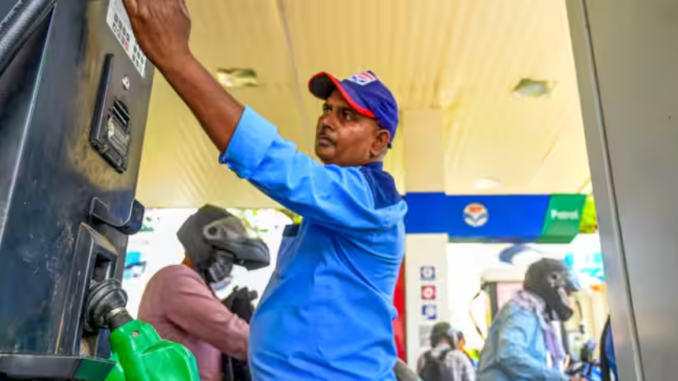
To ensure motorists are compliant with pollution norms, the CAQM has now made it mandatory for fuel stations across the NCR to implement a ‘No PUC, No Fuel’ policy from October 1, 2026. According to this rule, fuel stations will not dispense petrol or diesel in vehicles without a valid Pollution Under Control (PUC) certificate.
While this was already implemented in Delhi, the regional rollout of this mandate will utilise technology:
ANPR cameras at fuelling stations: Fuel stations will have ANPR cameras installed to facilitate the identification process of vehicles entering the premises.
Verification: ANPR cameras will read registration plates and verify them with the central PUC database before dispensing fuel.
Target of zero-tolerance stubble burning issued for 2026
To address emissions from the agricultural sector, the CAQM has issued a directive for the states of Punjab, Haryana, and Uttar Pradesh, calling for a total elimination of stubble-burning episodes before the end of 2026. Micro-level monitoring systems have been deployed to observe the real-time occurrence of farm fires:
Micro-monitoring: Agricultural farms will be mapped thoroughly. One nodal officer will be responsible for monitoring 100 farmers and one officer for 50 farmers in the selected pollution-sensitive areas.
Force of stubble protection: On-ground teams will cooperate with local police and administration for conducting nighttime patrols, supported by the use of satellite thermal images.
Penalties & aid: Offenders will be marked with “Red Entries” in land records and will be penalized through fines. As opposed to this, marginalised farmers will be provided with free CRM equipment by 2026 through newly set up Custom Hiring Centers.
Shift to electric vehicles
The third pillar reform by CAQM aims to strengthen public transport and logistics policy with regard to enforcing a transition to electric vehicles.
A timeline has been proposed for banning the registration of non-electric, fuel-based three-wheelers:
Delhi mandate (2027): There will be a total ban on the registration of any new CNG or diesel auto-rickshaws from the year 2027 onwards. Only L5-class three-wheelers that run on electricity would be allowed.
High-volume districts of NCR (2028): This prohibition on the registration of new diesel or CNG auto-rickshaws will be extended to high-volume districts of NCR by the year 2028.
As stated by CAQM, it is imperative for attaining a sustainable improvement in the AQI of this area.
Leave a Reply