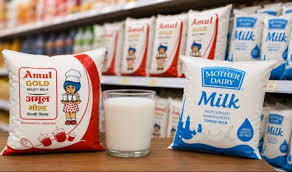
Milk purchases are set to become more expensive for households as major dairy companies Amul and Mother Dairy prepare to revise prices across several milk categories from November 12. The proposed increase, ranging between Rs 2 and Rs 6 per litre, comes amid tightening supplies, higher milk procurement expenses and a rise in the cost of essential dairy inputs. According to an ANI report citing industry sources, the extent of the price adjustment will depend on the type of milk purchased. Consumers buying toned milk will face an additional Rs 2 per litre, while full cream milk will become costlier by Rs 4.
The steepest increase will apply to full cream buffalo milk, with its price going up by Rs 6 per litre.
The latest revision is significant because milk prices generally remain comparatively stable during the flush season, when higher production levels usually improve availability. However, the current supply situation has created additional pressure on dairy companies, forcing them to reconsider their pricing strategies.
What Will Change From November 12?
The revised rates will affect multiple milk varieties, including toned, full cream, double-toned, buffalo and cow milk. In Delhi-NCR, consumers will notice the following changes in Mother Dairy’s pricing:
- Toned milk (bulk vending): The price will increase from Rs 58 to Rs 60 per litre.
- Full cream packaged milk: The revised rate will be Rs 76 per litre, compared with the earlier Rs 72.
- Packaged toned milk: Customers will pay Rs 62 per litre instead of Rs 60.
- Full cream buffalo milk: The price will rise from Rs 80 to Rs 86 per litre. This variant contains 6.5% fat.
- Double-toned milk: The new price will be Rs 56 per litre, up from Rs 54.
- Cow milk: The revised rate will increase to Rs 65 per litre from the existing Rs 62.
The adjustments mean that households purchasing milk regularly will have to accommodate higher daily and monthly expenses. The impact will be particularly noticeable among consumers who prefer full cream and buffalo milk varieties.
Milk Shortage And Higher Fat Prices Add To Dairy Industry Pressure
The increase in retail prices comes against the backdrop of an unusual supply situation in the dairy sector. Although the flush season typically brings improved milk availability, procurement conditions have reportedly remained challenging.
Another major concern for dairy manufacturers is the rising cost of milk fat. Industry sources indicate that milk fat prices have climbed by approximately 20-25 per cent over recent months, increasing the cost of processing and producing various dairy products.
Milk fat is an important component in determining the quality and composition of different milk varieties. When its availability declines, dairy companies face additional expenses in maintaining their production requirements and ensuring consistent supplies.
Higher Cattle Feed Expenses Push Up Procurement Costs
Dairy farmers are also dealing with increasing production expenses, particularly the rising cost of cattle feed. Higher feeding costs can reduce the financial returns farmers receive from milk production, creating pressure on dairy companies to offer better procurement rates.
To encourage farmers to maintain production and supply adequate quantities of milk, dairy businesses have reportedly increased the prices paid for raw milk.
Industry sources said Amul has raised the procurement rate linked to milk fat to Rs 1,000 per kilogram. This adjustment allows farmers to receive more than Rs 60 per litre for their milk.
Higher procurement payments are intended to support milk collection and incentivise farmers to continue supplying dairy companies despite rising input costs.
However, these increased payments also raise the overall cost of raw materials for companies, eventually creating pressure to revise the prices charged to consumers.
Why Are Dairy Companies Finding It Difficult To Manage Milk Supplies?
The current situation involves more than just higher procurement prices. Concerns about milk availability and the productivity of milch animals have also contributed to the challenges facing the industry.
A decline in milk collection can affect the availability of milk fat, an essential ingredient for maintaining the required composition of liquid milk and other dairy products.
Companies generally have an alternative when fresh milk procurement falls short of their requirements. They can combine milk powder with milk fat to manufacture liquid milk and maintain market supplies.
However, this option has become more expensive because milk fat prices have increased substantially. As a result, depending on milk powder and fat to bridge supply gaps is no longer as economical as before.
This has left dairy manufacturers dealing with pressure on multiple fronts, including expensive raw milk, higher cattle feed costs, limited supplies and rising processing expenses.
Bureau Report
Leave a Reply