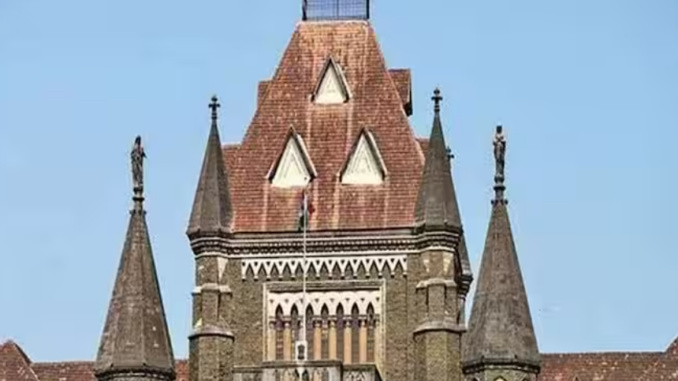
Bombay: The Bombay High Court on Thursday rejected the appeals challenging the acquittal of all 22 accused, including 21 police personnel, in the fake encounter killings of Sohrabuddin Shaikh, his wife Kauser Bi and associate Tulsiram Prajapati.
A division bench comprising Chief Justice Shree Chandrashekhar and Justice Gautam Ankhad upheld the acquittal and rejected the appeals lodged by Shaikh’s brothers Rubabuddin and Nayabuddin.
Shaikh’s brothers filed appeals requesting the High Court to nullify the trial court’s verdict or, alternatively, order a fresh trial as per Section 386(a) of the Code of Criminal Procedure (CrPC), 1973.
These appeals, pending since 2019, were reserved for judgment in 2025.
Acting as ‘victims’ who lost family members, they contended that the trial was fundamentally flawed, undermining justice.
They argued the special judge relied on baseless assumptions and a clearly erroneous evaluation of evidence.
A key issue raised in the appeal was the prosecution’s failure in summoning the magistrates who recorded statements from crucial hostile witnesses.
Before filing in the High Court, Rubabuddin had written to the Ministry of Home Affairs, CBI Director, and Cabinet Secretary, pressing the government to formally challenge the verdict.
During High Court proceedings, the CBI affirmed it had accepted the verdict and decided against challenging it.
The case originated from an incident on November 23, 2005, when wanted criminal Sohrabuddin Shaikh was allegedly abducted along with his wife Kauser Bi and Prajapati from a luxury bus traveling from Hyderabad to Sangli.
The CBI alleged that police killed Shaikh and Prajapati in fake encounters, murdered Kauser Bi, and covertly disposed of her body.
The case was originally registered in Gujarat. However, the Supreme Court transferred it to Mumbai on CBI’s request in 2012.
On December 21, 2018, special CBI Judge SJ Sharma acquitted all the 22 accused, which included serving and retired policemen from Gujarat, Rajasthan, and Andhra Pradesh.
Additionally, the trial court reached on the conclusion that the prosecution failed to provide satisfactory proof on charges of conspiracy and murder.
Over the time of the trial, around 210 witnesses were examined, however the prosecution’s case ended when 92 of them turned hostile.
In his 358-page judgement, the trial court judge conveyed sympathy for the deceased’s family, while citing severe lack of conclusive evidence.
The judge also noted that the accused couldn’t be convicted mere on moral or suspicion basis.
Leave a Reply