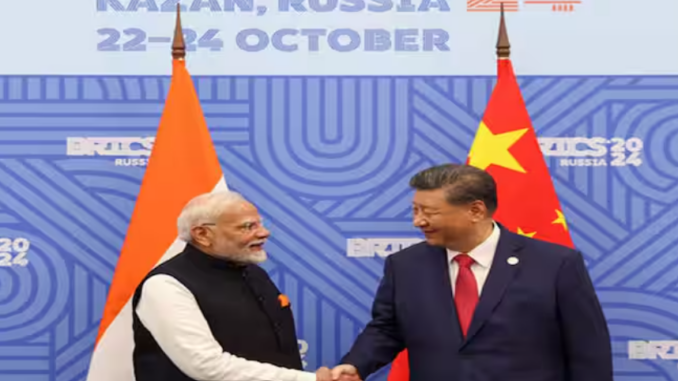
NewDelhi: China often speaks in symbols when it talks about other countries, and India is no exception. In its diplomatic language, Beijing refers to itself as a “dragon” and New Delhi as an “elephant”. These metaphors are not random. They are part of a pattern where Chinese leaders and state media use animal imagery to describe relationships with other nations.
According to a report by the South China Morning Post, such phrases are carefully crafted by Chinese leaders and then circulated through official channels. Over time, they become part of the country’s diplomatic vocabulary.
How ‘dragon-elephant’ entered the conversation
The use of these terms in India-China relations became well known in December 2010, when then Premier Wen Jiabao visited India. During his three-day trip, he suggested that “dragon and elephant should dance together”. With that statement, the phrase moved from a symbolic idea into regular diplomatic use.
Since then, variations like “dragon-elephant friendship” and “dragon-elephant dance” have appeared in official statements and speeches. Chinese diplomats and state-run media have continued to use the term “elephant” for India in their messaging.
Beijing’s view vs India’s response
Chinese analysts argue that such language presents both countries as partners in development rather than rivals. They say it also shows Beijing’s respect for India’s long civilisational history.
Chinese President Xi Jinping used the same imagery earlier this year in January, when he sent greetings to her Indian counterpart Droupadi Murmu on the Republic Day. In his message, he called on both sides to realise the vision of “dragon and elephant dancing together”.
The phrase has come up repeatedly in recent interactions. In August 2025, he mentioned similar symbolism during a meeting with Prime Minister Narendra Modi.
Earlier, on March 7 last year, Chinese Foreign Minister Wang Yi also referred to it during China’s annual legislative session. He said, “Dragon and elephant dancing together is the only right choice for both sides.”
Despite this, India has chosen not to adopt this style of expression. New Delhi has neither echoed these metaphors nor endorsed the idea of “dragon-elephant dance” in its official language.
Why India stays cautious
Experts say this hesitation is not without reason. The SCMP report says that some Indian analysts see Beijing’s poetic style as disconnected from the ground realities of the relationship. Years of military tensions and a history of distrust influence India’s approach more than symbolic language.
Talking to the publication, geopolitical analyst Adil Brar pointed out, “Indians instinctively push back against this comparison, as they view these ties through a different lens.”.
India’s former Foreign Secretary Nirupama Rao also echoed the same, “India has preferred not to adopt metaphors coined by the other side, especially when such imagery indirectly defines the nature of bilateral ties.”
She added that New Delhi’s diplomatic language has always been rooted in clarity. “We talk in terms of mutual respect, sensitivity to each other’s concerns and resolving differences. There is a certain discipline in that approach. We place greater value on concrete facts and substance rather than symbols,” she stated.
A difference in diplomatic style
The contrast in how both countries communicate is clear. China continues to express its messaging through symbolic expressions such as the dragon and the elephant. India, on the other hand, sticks to a more direct and fact-based approach.
This difference in style also hints at how both sides view their relationship. While Beijing leans on imagery to describe cooperation, New Delhi places emphasis on practical concerns and past experiences.
Leave a Reply