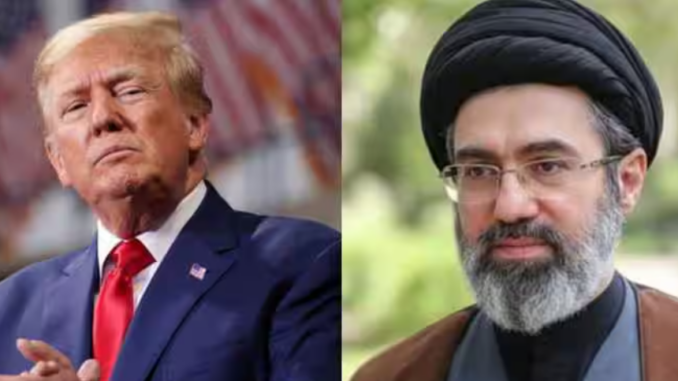
Islamabad: A fresh round of negotiations between Iranian and US officials is set to take place in Islamabad on Monday, Iranian authorities said, noting that delegations from both sides are expected to arrive on Sunday, as reported by.
Meanwhile, US President Donald Trump and Iran’s Foreign Minister Abbas Araghchi said on Friday that the Strait of Hormuz remains fully open for commercial shipping.
Araghchi said the key waterway “is declared completely open” following the Lebanon ceasefire, while Trump said it is “ready for full passage.”
However, Trump emphasised that the US naval blockade on Iranian ships and ports “will remain in full force” until Tehran reaches a comprehensive agreement with Washington to end the war.
In a post on Truth Social, Trump said, US Navy’s blockade would continue until “UNTIL SUCH TIME AS OUR TRANSACTION WITH IRAN IS 100% COMPLETE.”
Iranian FM announced Strait of Hormuz is open
Iranian foreign minister Seyed Abbas Araghchi on Friday said that the Strait of Hormuz is declared “completely open for the remaining period of ceasefire.”
In a post on X, Araghchi wrote, “In line with the ceasefire in Lebanon, the passage for all commercial vessels through the Strait of Hormuz is declared completely open for the remaining period of ceasefire.”
War will end soon: Trump
President Trump expressed confidence on Friday that two sides are close to a deal, however senior Iranian official cast doubt on some of Trump’s claim vis-a-vis Tehran making concessions.
Trump even claimed that Iran had proposed not to posses nuclear weapons for over 20 years. However, Tehran’s nuclear ambitions remained a major sticking point during the talks held in Islamabad last weekend, where both sides failed to reach an agreement on the issue.
According to reports, the US proposed a 20 year pause to Iran’s Uranium enrichment programme at Islamabad talks, while Iran were only willing to pause its nuclear programme for five years only. Reports suggest that this was the primary point of contention between the two countries, ultimately leading to the collapse of the peace talks.
The US-Iran war began on February 28 following a joint US-Israeli strike, and thousands have been killed since. The conflict also triggered a sharp rise in oil prices, creating a significant political and economic challenge for the US president.
Israel-Lebanon ceasefire begins
A 10-day ceasefire between Israel and Lebanon came into effect on Thursday, following last week’s strikes on Lebanon that caused significant casualties and widespread destruction. The attacks had also put the fragile US-Iran truce under strain, with Tehran condemning them as a violation of the ceasefire.
Bureau Report
Leave a Reply