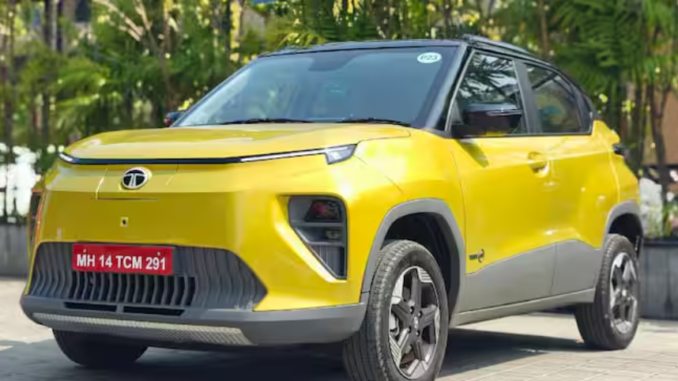
NewDelhi: Electric Cars: India is still a relatively new market for electric cars. The country does not yet have enough infrastructure for EVs, and awareness about electric vehicles among people is also limited. There are many questions surrounding EVs that often confuse buyers. One of the biggest concerns is related to EVs catching fire.
Fire incidents
In the last few years, dozens of incidents involving electric cars catching fire have come to light, raising safety concerns among new customers. However, it is important to note that not only EVs, but any car can catch fire, and there can be several reasons behind it, including excessive heat. Because of this, many people wonder whether electric vehicles are safe to use in extremely hot regions.
Can EVs operate safely in high temperatures?
In several parts of India, temperatures cross 45 degrees Celsius during summer. So, it is natural for people living in such areas to question whether an electric car can operate safely in such conditions.
The simple answer is yes. Electric vehicles can operate safely even in temperatures above 45 degrees Celsius. However, one important thing to understand is that the safe operating temperature can vary from vehicle to vehicle.
For example, the Tata Nexon EV and Tata Punch EV can operate safely between minus 22 degrees Celsius and plus 55 degrees Celsius. Similarly, this range may differ for other electric vehicles. That said, when temperatures become extremely high or extremely low, vehicle performance is directly affected.
For instance, in the Mahindra XUV 9e, extremely high or low temperatures can impact the driving range by around 15 to 25 percent. Apart from that, features such as the rear-view camera may also stop functioning temporarily. The information related to these vehicles has been taken from their respective user manuals.
Battery thermal management system
Electric vehicles are equipped with a dedicated thermal management system that keeps the battery temperature within a safe range. This system automatically activates whenever required and maintains the battery temperature at a safe level. If the temperature goes beyond the safe limit, the system shuts the battery down.
To control battery temperature, modern EVs use liquid-cooling systems, while older and budget-oriented models use air-cooling systems. For example, battery cooling in the Tata Punch EV is assisted by the air conditioner.
Leave a Reply