NewDelhi: The IMD issues colour-coded alerts based on various weather predictions. These alerts help citizens understand the seriousness of the upcoming weather events. It helps them stay active and take necessary precautions. These alerts are sent out in case of bad weather conditions, that includes rain, squalls, hailstorms, dust storms, snowfall, thunderstorms, and even heat and cold waves.
When are these colour codes used?
The primary function of the India Meteorological Department’s colour-coded weather system is to simplify weather data into categories that are simple to understand. Various factors determine the issuance of these colour codes. The four codes are red, orange, yellow, and green. The evaluation is based on the likelihood of an event to occur. Impact-based warnings are valid for a maximum of five days.
IMD issues these signals in various situations, be it rainfall or a heat wave. A green alert is issued when rainfall is less than 64 mm of precipitation in a 24-hour period. A yellow signal is issued if 64.5 mm to 115.5 mm of precipitation is predicted. An orange alert is issued if rainfall may be between 115.6 and 204.4 mm in a single day. A red alert is issued when rainfall exceeds 204.5 mm over a 24-hour period. In foggy conditions, the visibility range becomes the determining element. Whereas wind speed determines the alert’s issuance during thunderstorms.
What do these colour codes really mean?
The four colours used by the IMD are green, yellow, orange, and red. These colour codes represent the seriousness of the situations. Here is the meaning behind these codes:
Green alert: No advisory
A green alert indicates normal weather with little or no rainfall. This means that while a meteorological event may occur, no advisory is necessary. Also, if this alert is ever issued, it means that there are no significant weather-related problems. In this case, people can go outside and carry on with their daily tasks as usual.
Yellow alert: Be aware
A yellow alert means there is a chance of moderate rainfall. When this alert is issued, it means there is a possibility of severe weather that will worsen. This can interfere with day-to-day activities. Do note that this warning also indicates that there won’t be particularly heavy rain, and that the amount of rain can cause isolated flooding in low-lying regions. When travelling through yellow alert areas, people should carry umbrellas.
Orange alert: Be prepared
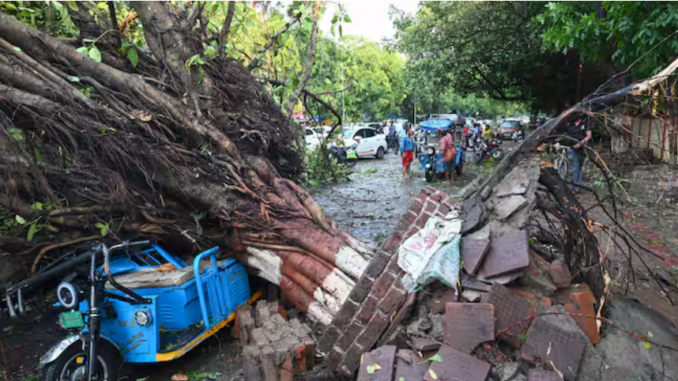
When severe weather or heavy rainfall is predicted, an orange alert is issued. Heavy rain can cause trees or poles to fall, which can block roads and stall transportation. Orange alert also indicates a high risk of flooding in streets, streams, and sensitive areas. During severe weather conditions, the power supply can also be disrupted. People should stay inside and prepare food, power, medicines, and other supplies.
Red alert: Take action
A red alert is issued in the most severe weather conditions. It depicts very heavy rainfall, which can be a serious threat to life and property. Severe weather can interrupt transportation and power supply. There is also a possibility of extensive flooding, interruption of vital services, and the possibility of evacuation orders. During a red alert, people should focus on the safety of their families and avoid travelling.
Leave a Reply