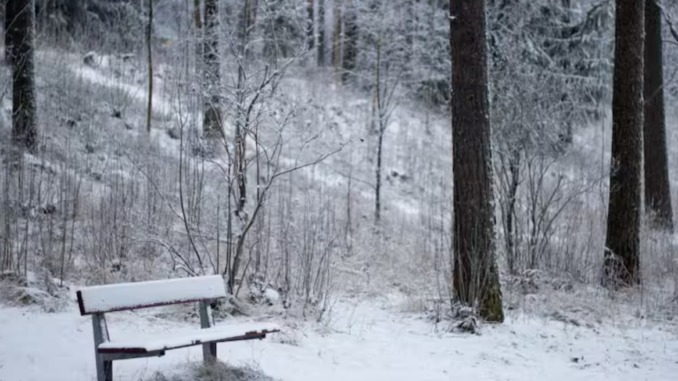
Russia/Canada: In some of the world’s coldest places, human resilience is tested by environments where temperatures regularly fall far below the freezing point of mercury. In these frozen places, life does not merely pause; it adapts. Residents navigate through their current realities. Daily routines may persist through various daily practices.
In the most extreme corners of our planet, people live in places where the air is cold. To survive, people have devised special routines. Even simple tasks, like starting a car or going for a walk, require careful planning and heavy layers of thermal clothing.
According to World Population Review, Oymyakon, Russia, is recognised as the coldest permanently inhabited location in the world. According to data, winter temperatures here average -50°C, and the village is home to fewer than 1,000 residents.
In Norilsk, winter conditions persist for more than six months of the year. During this time, temperatures reportedly drop to -40°F. Despite the harsh climate, this place maintains a population of nearly 180,000 people.
Yellowknife experiences extreme winter lows that fall below -40°F. Life continues here and people uses infrastructure and internet services that keep the community connected.
In Utqiaġvik (Barrow), winter temperatures average -20°F. This region is famous for its long periods of darkness where the sun does not rise for several days. However, the local population continues their daily routines despite the cold and the dark.
Despite these harsh conditions, daily life goes on much like it does anywhere else.
Leave a Reply