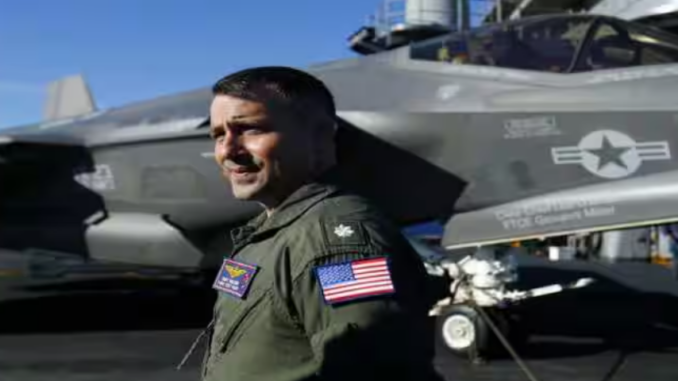
Washington: Fighter pilots fly some of the most advanced aircraft in the world, hold high military ranks and carry enormous responsibility. So naturally, many assume they must also be among the highest-paid pilots. It is a question that often surprises people.
But the answer unfortunately is a big NO. The salary of the highest-ranking US Air Force pilots generally less than top commercial airline captains. However, the difference becomes more complicated once benefits, career paths and long-term earnings are taken into account.
How much do top airline pilots actually earn?
At the very top of commercial aviation, pay climbs fast, especially for senior captains flying long-haul widebody aircraft. In the United States, pilot compensation depends heavily on seniority, aircraft type and monthly flight hours. The longer a pilot stays with an airline, the more opportunities they get to move into higher-paying fleets and routes.
By 2026, estimates suggest that a senior captain flying an Airbus A350 at Delta Air Lines could earn more than $380,000 in their first year as a widebody captain. Over time, that figure can climb to around $418,500 after roughly 12 years in that role. These estimates are based on about 74 flight hours per month, along with additional allowances.
Across the industry, senior captains at major airlines can earn more than $450,000 per annum. Retirement contributions add even more value. Delta, American and United airlines offer retirement contributions around 18 percent, while Alaska and Hawaiian offer about 17 percent.
When these benefits are included, total employer-funded compensation for a senior airline captain can approach half a million dollars in especially favourable scenarios. This is why commercial aviation pay at the top tier stands out.
What do highest-ranking air force pilots earn?
Military pay works very differently in the United States. Compensation depends on rank, years of service and additional aviation incentives rather than aircraft type or route assignments.
In 2026, basic pay for the highest-ranking officers, from O-7 to O-10, is capped at roughly $19,000 per month. That comes out to about $228,000 per year. This ceiling applies even to extremely senior roles, including the chief of staff.
Additional payments do exist. Officers receive allowances, bonuses and aviation incentive pay. Some monthly allowances are around $330, while tax-free housing benefits vary depending on location and family status.
Aviation incentive pay adds further compensation, though not as much as many assume. After around 12 years of aviation service, pilots may receive about $1,000 per month. That amount drops to roughly $700 after 22 years and around $450 after 24 years.
There are also aviation bonuses that can reach up to $50,000 annually in some fighter communities. However, these typically apply to lieutenant colonels and below, not generals. This means the highest-ranking fighter-qualified officers often earn less in direct cash compensation than top airline captains.
The long climb to airline captain
Becoming a top-earning airline pilot is not an easy process. The journey begins with earning private, instrument, commercial and multi-engine licenses. Pilots then build flight hours, often as instructors or in entry-level flying jobs.
Most airline pilots must also earn an Airline Transport Pilot certificate, which usually requires 1,500 flight hours under Federal Aviation Administration rules. Some restricted pathways allow fewer hours for certain candidates, but experience is the key.
After meeting requirements, many pilots join regional airlines as first officers. With experience and available openings, they upgrade to captain and later move to major airlines. Even then, reaching senior captain status can take several more years.
Career progression depends largely on seniority. Time with the airline determines aircraft assignments, route options, base locations and schedule flexibility. The highest-earning widebody routes typically go to the most senior pilots, making patience and longevity essential.
The path to become a senior fighter pilot
The journey to becoming an elite fighter pilot is just as demanding, though structured differently. Candidates must first become Air Force officers, often through the Air Force Academy, ROTC or Officer Training School.
Selected candidates then enter the Undergraduate Pilot Training, which usually lasts about a year. Aircraft assignments depend on training performance, class ranking, instructor recommendations and Air Force needs.
Pilots selected for fighters move into advanced fighter training before learning to operate specific aircraft. After joining operational squadrons, they begin building experience as wingmen, flight leads, instructors or tactical specialists.
Some officers attend the United States Air Force Weapons School for advanced tactical training. Reaching senior fighter pilot status often takes years of operational flying, instruction and leadership responsibilities.
Pay is only part of the picture
Although airline captains often earn more in direct salary, Air Force pilots receive benefits that are harder to measure in cash. Government-funded training, healthcare, tax-free allowances, job security and pension structures all add value.
Military pilots also gain experience flying high-performance aircraft in demanding environments. Many later transition to commercial airlines, bringing valuable experience that can speed up career growth.
What about work-life balance?
Lifestyle differences also influence the choice between military and commercial aviation careers. Commercial pilots deal with irregular schedules, overnight stays and time-zone changes, especially early in their careers.
However, lifestyle tends to improve with seniority. Experienced pilots gain more control over schedules, routes and time off. Senior airline captains often enjoy greater flexibility than they did earlier in their careers.
Military pilots, on the other hand, face deployments, relocations and operational commitments that are less predictable. The work has a different kind of pressure and responsibility.
So, who really earns more?
In direct salary terms, top commercial airline captains usually earn more than the highest-ranking Air Force pilots. However, the full comparison depends on career timing, benefits, retirement value and long-term opportunities.
For some pilots, the appeal lies in flying advanced military aircraft and serving in leadership roles. For others, the long-term earning potential and lifestyle improvements in commercial aviation make that path more attractive.
The answer, then, is not only about who earns more. It also comes down to what kind of career a pilot wants to build.
Bureau Report
Leave a Reply