Keshpur: West Bengal’s entrenched political violence is real, bipartisan in origin, and corrosive to governance. Decades of data clearly highlights a pattern, including Congress-era clashes, Left Front (CPIM) dominance with land-related massacres and cadre enforcement (eg, Nandigram, Singur, Keshpur), then TMC’s takeover of power in 2011 mirroring and often intensifying against the Left, followed by escalation against BJP as it rose post-2019.
West Bengal tops states for poll-related violence
West Bengal has topped states for election related violence over the past decade, according to data by independent conflict monitor — Armed Conflict Location & Event Data (ACLED). As per ACLED 2021 Bengal elections was the bloodiest with 278 instances of violence of the 354 incidents, which took place after the model code of conduct (MCC) was in effect till the formation of newly-elected government.
According to data from the National Crime Records Bureau (NCRB), West Bengal recorded an average of about 20 politically motivated killings each year between 1999 and 2016. The NCRB’s “motive of murder-political” category also indicates that such incidents have continued over time. Post-2011, after TMC’s win, hundred of Left workers were reportedly killed/displaced by TMC cadres. Similarly, after 2010/2021, BJP reported over 100 workers killed, with post-poll displacements, rapes and arson.
2021 Assembly and 2023 Panchayat polls had witnessed spike in violent incidents and fatalities.
This reflects a pattern of “territorial control” driven by muscle power, local syndicates, intimidation, and a culture of impunity, not ideology. A winner-takes-all approach at the booth and village levels, coupled with weak institutions and entrenched patronage politics, sustains this system. Women, minorities, and migrants have often borne the brunt of such conditions, as seen in places like Sandeshkhali.
Deployment of Central forces
Recent 2026 results, BJP landslide victory in the state mark a shift after TMC’s 15 years-rule. Anti-incumbency over jobs, corruption, law-and-order failures, and perceived syndicate raj played roles.
With zero deaths, West Bengal polls 2026 was among the most peaceful in two decades. For the 2026 West Bengal Assembly elections, an unprecedented deployment of 2.4 lakh personnel, approximately 2,400 companies from the Central Armed Police Forces (CAPF) was made. Following the two-phase polling, around 700 companies (70,000 personnel) will remain in the state for post-poll duties, with 200 companies specifically assigned to secure EVM strong rooms.
“Badlav” not “Badla”
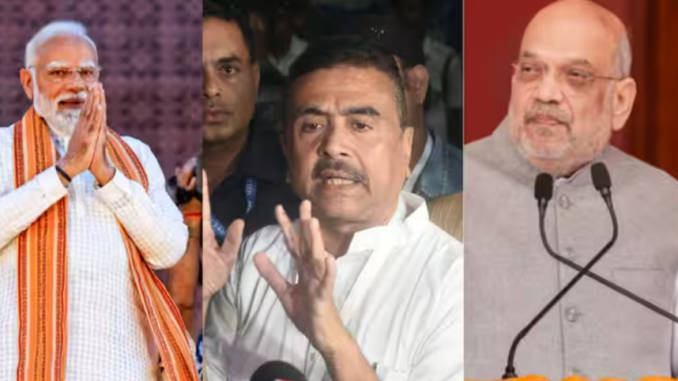
This aligns with PM Modi’s post-win remarks, with focus on change (development, governance, ending the cycle) rather than revenge. This is the rational path for any governing party seeking long-term legitimacy in a polarised state.
Institutional fixes first: Strengthening law enforcement independent of political influence is essential, including implementing police reforms, establishing fast-track courts for cases involving political violence, and ensuring that agencies like the CBI and ED operate without selective or partisan use. There must be an end to the culture of “winner’s impunity,” where those in power evade accountability. Additionally, maintaining transparent and credible data on incidents of violence through independent, third-party monitoring can help build trust and ensure greater accountability.
Elections: Ensuring robust booth-level security is essential to safeguard the integrity of elections. Regular cleanup and verification of voter lists can prevent discrepancies and build public confidence. Strengthening trust in EVMs and VVPAT systems through transparency and awareness is equally important. Additionally, efforts must be made to end uncontested wins driven by intimidation, ensuring a genuinely free and fair electoral process.
Economic Roots: Violence mostly thrives on unemployment, migration, and control of resources (sand, liquor, and land mafias). So, jobs, industry revival and welfare delivery bypassing middlemen reduce cadre dependence.
Cultural and political: BJP needs to break “party society” where loyalty rule of law. BJP’s organisational push helped it challenge TMC, sustaining it through performance, not reprisals, matters more.
Overall, no party has clean hands historically in West Bengal. Left’s “scientific socialism” throve with thuggery, TMC’s promise of poriborton but continuous approach along with BJP’s national records varies by state. So in power, outcome depends on execution, not slogans. Demographic anxieties, infiltration, and identity played roles in shifts, however governance failures evident in repeated post-poll clashes were central.
Leave a Reply