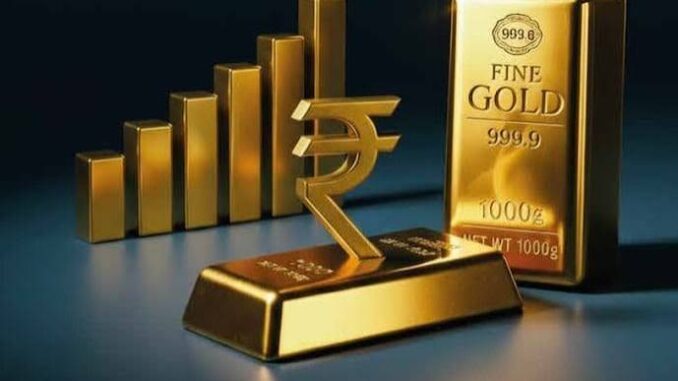
NewDelhi: Prime Minister Narendra Modi recently appealed citizens to practice austerity amidst the ongoing global instability. Urging for financial discipline, the PM said that the people of the nation dependence on imported goods, gold purchases, and fuel consumption. Emphasizing that, foreign goods places pressure on India’s forex reserves, Modi has also called for exercising restrains when it comes to purchasing gold.
Puja Abhishek Singh, CEO, Manipal Fintech in a candid conversation explained the various impacts on the purchase, loan and recycling of the yellow metal following PM Modi’s national austerity push.
How has the market responded to PM Narendra Modi’s public appeal for gold austerity? Has it impacted the retail demand? Singh said, in Indian households, gold has traditionally been valued as a reliable financial safety net in addition to serving as a sign of custom and culture.
“The Prime Minister’s call to action has definitely motivated individuals in and around it to become more aware and mindful of consumption and the productive use of gold. However, it has not totally reduced people’s interest in buying gold. Instead, a shift in perspective is what we are witnessing. Gold is starting to be seen by more people as a significant financial asset as well as something to own. In order to cover short-term financial needs while keeping ownership of their gold, customers are increasingly opting to leverage their jewellery instead of selling it in times of need,” she added.
Gold is an essential cultural purchase for Indian weddings across all regions and communities. While families are becoming more mindful of their gold purchases, gold remains a vital part of Indian tradition.
In the current scenario, what has been the impact on Indian traditional weddings that command gold buying? Puja Abhishek Singh added that lately there has been greater awareness of finance among people, as families have started to understand that the gold purchased during weddings can be turned into a valuable financial asset by availing of loans against gold jewellery.
It is estimated that households in India possess more than 30,000 tons of gold, being one of the largest accumulations of gold in the world. The expanding conversation on the importance of turning the idle asset into use is a good trend since it allows consumers to start treating gold not only as a tool of value but also as a financial asset that can be used effectively.
How has the push for recycling gold impacted gold loans? Singh said, with increased focus on recycling and bringing idle gold into circulation, the discussion around how households can unlock more of the gold value has expanded significantly. While recycling relates mostly to making idle gold productive, it has also made people more aware of other options for using their gold. Therefore, more people are starting to consider gold loans as an easy way to get liquidity without selling their jewellery or losing ownership of it.
“One interesting shift we see among consumers is the increasing realisation that they do not have to choose between keeping family valuables and getting financial support. Now, they can use gold loans to turn the value of their possessions into cash, being sure that they still own their valuables with all their emotional and cultural aspects. This shows that consumers’ behaviour is changing in general; in other words, they become more responsible and efficient when it comes to making financial decisions,” she added.
The growing popularity of gold loans also fits in with the wider agenda of financial inclusion in India, as it provides clients with a reliable way of getting credit.
Puja Abhishek Singh said that there has been greater acceptance of gold loans among different customer segments, not only in emergencies but also as a planned form of financing goals such as business development, education, healthcare, and other similar things.
Bureau Report
Leave a Reply