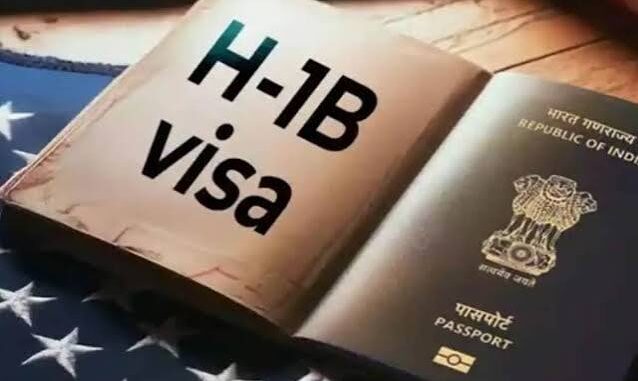
The United States is gearing up for one of the most comprehensive reforms of its legal immigration system in recent years. The administration of President Donald Trump has outlined a wide-ranging regulatory agenda that could significantly reshape the landscape for foreign workers, international students, and employers.
These proposals, detailed across the latest regulatory agendas issued by the Department of Homeland Security (DHS), the Department of Labor (DOL), and the Department of State (DOS), address nearly every major immigration pathway used by skilled professionals.
These include stricter rules for H-1B visas, reforms to employment-based green cards, updates to prevailing wage requirements, changes to student visa regulations, adjustments to work authorization policies, and enhanced compliance obligations for both applicants and sponsoring employers.
Unlike bills passed by Congress, these changes are being implemented through the federal rulemaking process. This means most of the proposals are not yet law; they will first be published as draft regulations, followed by public comment and further review before any final implementation.
These include stricter rules for H-1B visas, reforms to employment-based green cards, updates to prevailing wage requirements, changes to student visa regulations, adjustments to work authorization policies, and enhanced compliance obligations for both applicants and sponsoring employers.
India provides the largest number of H-1B visa holders in the United States, represents the biggest share of applicants awaiting employment-based permanent residency (green cards), and has recently surpassed all other countries as the leading source of international students enrolled in American universities.
Given that Indian professionals and students play a prominent role across nearly every stage of the US legal immigration system, reforms targeting one category frequently have ripple effects throughout the entire immigration process.
The H-1B program
The H-1B visa program enables US companies and other employers to temporarily employ foreign workers in specialty occupations. These roles require the theoretical and practical application of highly specialized knowledge and a bachelor’s degree or higher in a directly related specific specialty (or its equivalent) as a minimum for entry into the occupation in the United States.
H-1B specialty occupations commonly include areas such as architecture, engineering, mathematics, physical sciences, social sciences, medicine and healthcare, education, business specialties, accounting, law, theology, and the arts.
H-1B visa programme: What is changing?
The H-1B visa programme enables US employers to hire foreign professionals, particularly Indians, for specialised roles in IT, software, engineering, consulting, and finance.
A proposed DHS rule expected in August aims to revise eligibility for exemptions from the annual H-1B cap and enhance oversight. It targets the common practice of placing H-1B workers at third-party client sites by requiring stronger evidence of a genuine employer-employee relationship, proof that employees perform specialty occupation duties, and extensive documentation on assignments and client arrangements. Firms with prior compliance violations will face heightened scrutiny.
Additionally, a July proposal would expand the additional surcharge, currently applied to new sponsorships or hires by companies with over 50 US workers where more than half hold H-1B or L-1 visas, to extensions for existing employees, significantly raising costs for long-term visa renewals. Higher fees for heavy H-1B/L-1 users are also being pursued.
The Department of Labor plans to increase prevailing wage requirements, raising the entry-level threshold from the 17th to the 34th percentile, which could limit entry-level opportunities for foreign professionals and affect related green card processes.
Bureau Report
Leave a Reply